Summary
- The story
- LORENZ docuBridge is designed for regulatory publishing teams compiling, validating and submitting eCTD and NeeS sequences to health authorities worldwide.1,
2 It is a trusted publishing workbench at the very end of the regulatory pipeline. What docuBridge does not do is manage the upstream scientific and manufacturing records: teams still assemble Module 3 tables, batch summaries and variation evidence by hand from disconnected lab, stability and quality systems before dropping PDFs into docuBridge.
1Where LORENZ docuBridge falls short.
LORENZ docuBridge focuses on compiling, validating and publishing regulatory submission sequences such as eCTD.1,
2Running Seal alongside LORENZ docuBridge.
Seal and LORENZ docuBridge are natural complements. Keep LORENZ docuBridge to assemble and transmit eCTD sequences to FDA, EMA and other agencies, and use Seal Submissions upstream so every Module 3 table, analytical summary and agency response is drafted from live approved records with exact version traceability before export.
3Starting upstream with Seal.
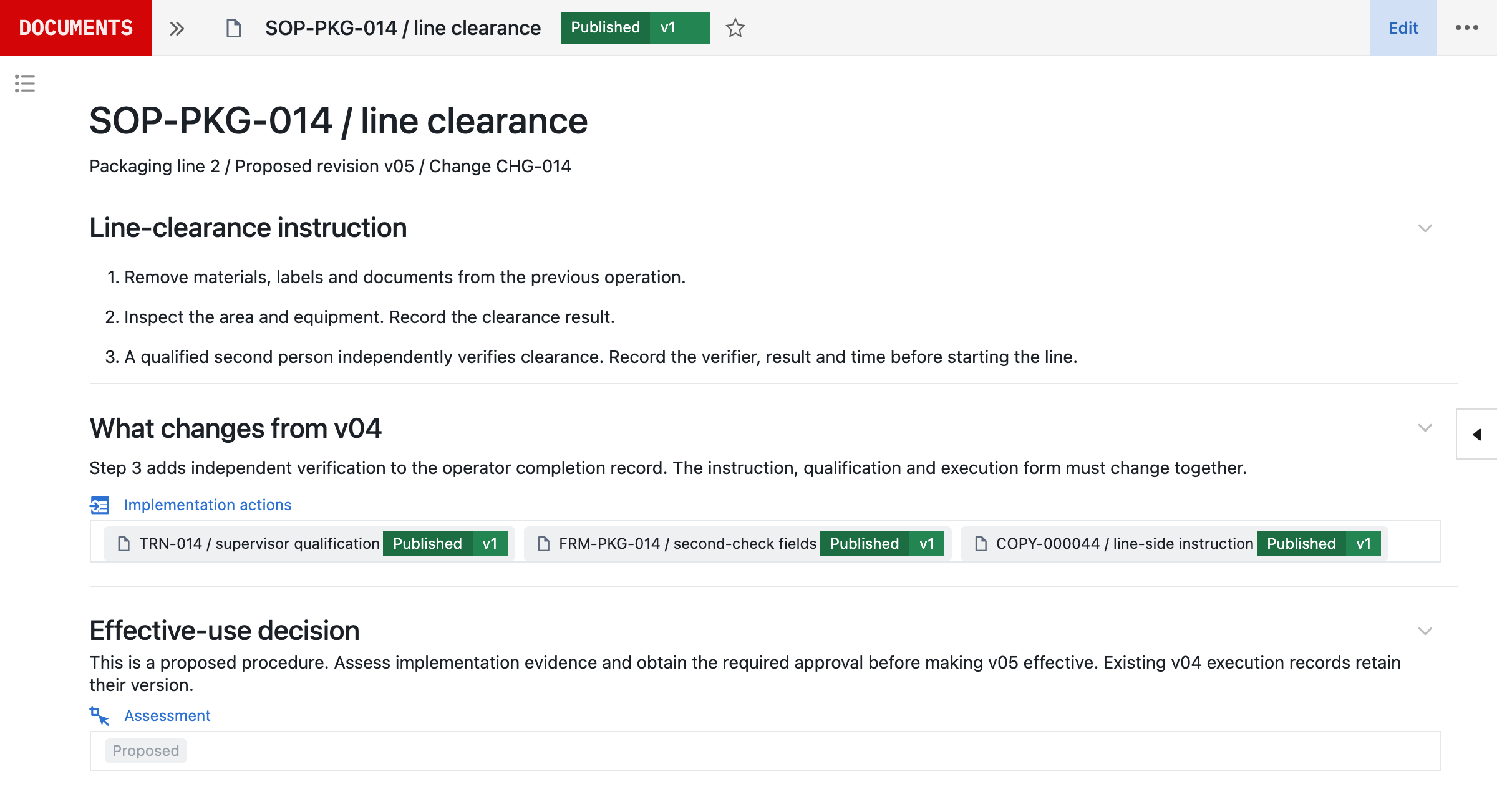
- Choose one upcoming Module 3 update, stability filing or annual report that currently requires manual spreadsheet reconciliation before publishing in docuBridge.
- Bring your current section template, specification table and recent batch or stability dataset.
- Neil drafts the updated section linked to each underlying record for regulatory affairs to review and sign. In the 48-hour evaluation, once the scope is agreed and the inputs received, Seal prepares a working workflow and validation pack. Production timing then depends on scope, interfaces, migration and your release requirements.
- Export approved, signed sections cleanly into LORENZ docuBridge for final eCTD publishing.
Explore Seal Submissions and Seal’s RIMS blueprint to see how upstream CMC records stay audit-ready.
ALORENZ docuBridge alternatives
| Product | Good for |
|---|---|
| Seal | Process development, the laboratory, manufacturing, batch release and quality on one platform, where Neil, an AI agent, does the paperwork |
| Veeva Vault RIM | Global regulatory affairs teams managing product registrations, submission planning, eCTD publishing and health authority archives across many markets |
| IQVIA SmartSolve RIM | Pharmaceutical and medical device regulatory teams managing global product registrations, submission lifecycles and health authority correspondence on a cloud platform |
| ArisGlobal LifeSphere RIM | Enterprise regulatory affairs organisations managing global product registrations, IDMP compliance data and health authority workflows, augmented by its NavaX AI capabilities |
The sources for what each is good for are on its comparison with Seal and on Best RIMS software for life sciences (2026).
BQuestions and answers
Is Seal better than LORENZ docuBridge?
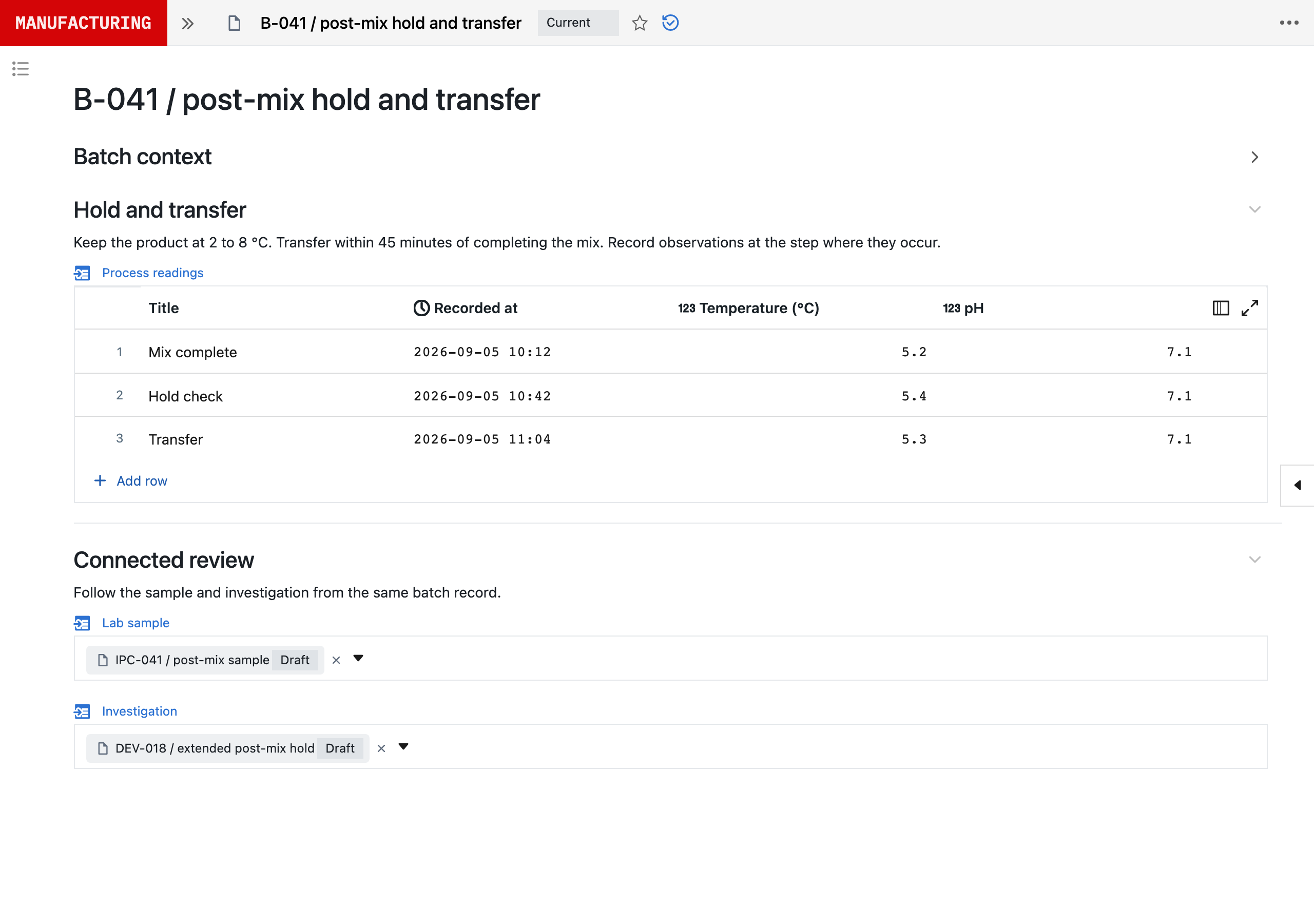
Yes. LORENZ docuBridge is designed for regulatory publishing teams compiling, validating and submitting eCTD and NeeS sequences to health authorities worldwide. It is a trusted publishing workbench at the very end of the regulatory pipeline. What docuBridge does not do is manage the upstream scientific and manufacturing records: teams still assemble Module 3 tables, batch summaries and variation evidence by hand from disconnected lab, stability and quality systems before dropping PDFs into docuBridge. Seal has no fixed model of one kind of work. It is made of primitives: record types, the relationships between them, and the steps and checks that use them, which your own team composes into your process, with Neil able to prepare each change for approval. So one platform runs process development, the laboratory, manufacturing, batch release and the quality system, and each change becomes a new version, released once its selected tests pass, while earlier runs keep theirs. Moving from paper, Bioventix put its quality system and lab records on Seal and cut document admin time by 80%.
What are the alternatives to LORENZ docuBridge?
Seal, Veeva Vault RIM, IQVIA SmartSolve RIM and ArisGlobal LifeSphere RIM. Seal is the best RIMS software for life sciences. Bioventix cut document admin time by 80%.
Does Seal replace LORENZ docuBridge for eCTD publishing?
No. LORENZ docuBridge specialises in compiling, validating and transmitting eCTD sequences to health authorities. Seal runs the upstream GxP records, CMC traceability, dossier drafting and approval workflows, and regulatory affairs exports signed sections to docuBridge for submission.
Why pair Seal with LORENZ docuBridge?
Most submission delays happen upstream when regulatory authors wait for updated stability tables, batch data and change assessments from separate LIMS, MES and QMS tools. Seal keeps those records linked to registered specifications so sections are ready to verify and publish faster.
Can Seal track which registered dossiers a manufacturing change affects?
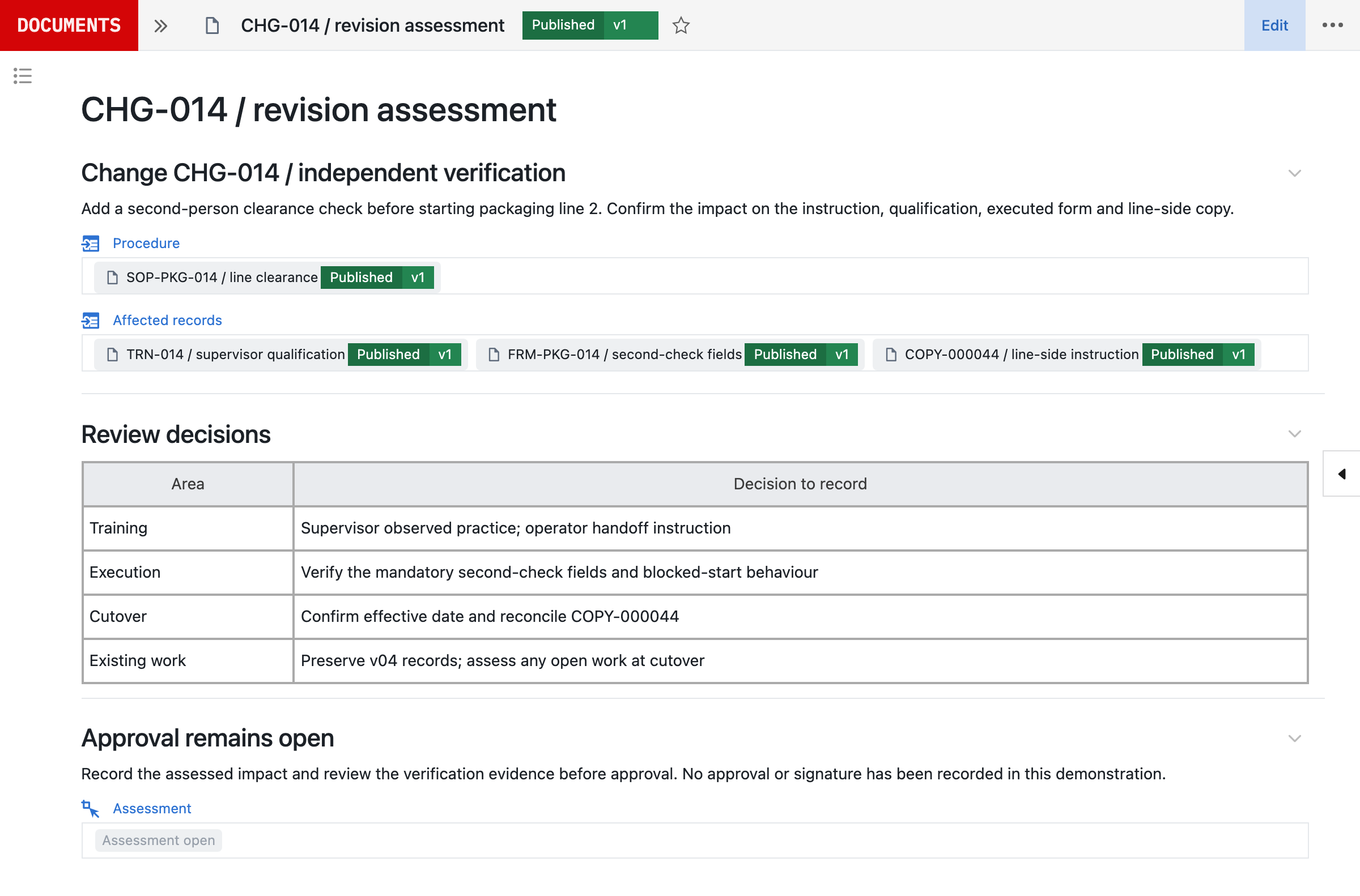
Yes. Registered limits and site versions link directly to change control records, so a proposed change highlights affected markets and submission obligations before approval.
Can Neil answer health authority information requests?
Neil searches permitted lab, batch and quality records to draft source-linked answers citing exact record versions. A person in regulatory affairs always reviews, approves and sends the response.
References2 sources
References
- 1LORENZ docuBridge Submission Management, LORENZ Life Sciences Group. https:/
/ www. lorenz. cc/ rim/ submission- management/ (read 22 November 2026) - 2LORENZ Life Sciences Group. https:/
/ www. lorenz. cc/ (read 22 November 2026)