
Permits. Chemicals. Incidents. Inspections. Seal EHS. Safety work, on the plant's own record.

Each permit, chemical and incident is linked to the equipment, work and people it is about. Neil drafts and finds; your people decide and sign.
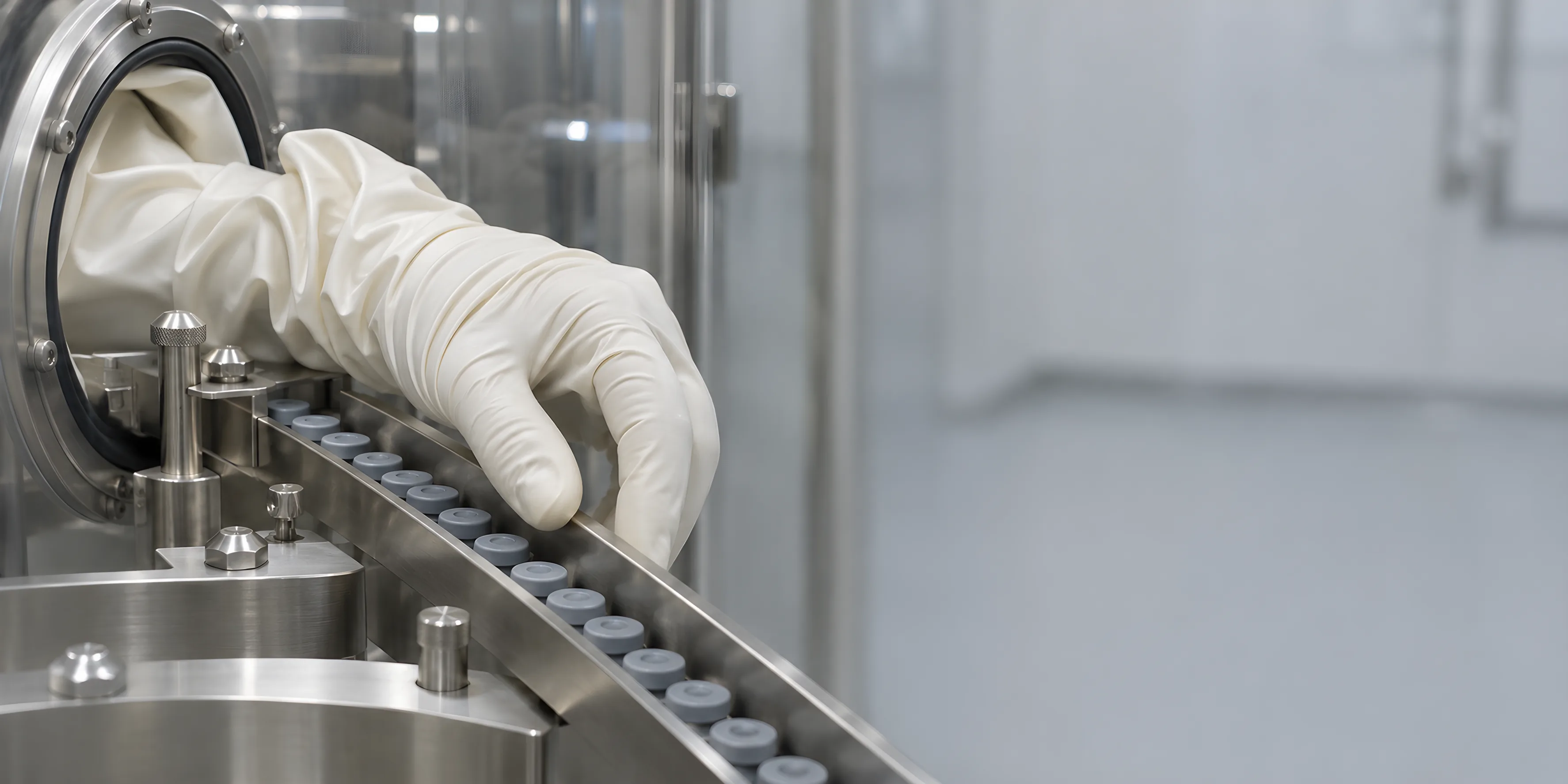
Permit to work PTW-047 in Blubber Biologics' record, at 07:14 on Saturday 14 November, just closed. It is for work order WO-0588: filler F-02's worn stopper feed track replaced under CAPA-019, with Line 2 down from 04:00. It is held by S. Albrecht, a service engineer from Fulmar Aseptic, whose site induction and gowning, taken on Thursday 12 November, was found on their training record when they signed in at 04:02. It is issued and closed by M. Quayle, EHS. On Friday 13 November at 15:40 Neil drafted its isolation list from F-02's isolation procedure, LOTO-F02 version 3, and the work instruction, WI-ENG-023 version 2, and noted that step 5's run-in needs power and air, so both come off before it; M. Quayle confirmed the list at 16:05. On Saturday S. Albrecht locked F-02's main isolator, 400 volts, at 04:12 and its compressed-air supply, 6 bar, at 04:14, each with their own lock. At 04:16 M. Quayle witnessed the zero-energy check: F-02 refused to start from its panel and its air gauge read 0 bar. M. Quayle issued the permit at 04:17 and S. Albrecht accepted it. Both locks came off at 06:20, before the run-in from 06:25 to 06:55. After F-02 was handed back at 07:10, M. Quayle closed the permit at 07:14.
EHS › Permits › PTW-047
Closed 07:14
WO-⁠0588, CAPA-⁠019Sat 14 Nov, 07:14

Replace F-⁠02's feed track

Holder
S. Albrecht, Fulmar Aseptic
Issuer
M. Quayle, EHS
Closed by M. Quayle

On the record

PTW-⁠047
Held by S. Albrecht, Fulmar Aseptic's engineer. Their site induction was on record before the permit was issuedNeil drafted the isolations from F-⁠02's procedure and the work instruction, for M. Quayle to confirmEach isolation under S. Albrecht's own lock, and zero energy checked before M. Quayle issued the permitBoth locks off at 06:20 with M. Quayle at F-⁠02, before the run-⁠in from 06:25Closed by M. Quayle at 07:14, after F-⁠02 was handed back at 07:10On the work order it is forNeil drafts, people issue and closeFrom LOTO-⁠F02 v3: F-⁠02's main isolator, at its control cabinet. Off and locked by S. Albrecht at 04:12, removed at 06:20From LOTO-⁠F02 v3: F-⁠02's air supply, closed and vented. Locked by S. Albrecht at 04:14, removed at 06:20Witnessed by M. Quayle at 04:16: F-⁠02 refused to start from its panel, and its air gauge read 0 barSite induction and gowning, Thu 12 Nov, found on S. Albrecht's training record at 04:02, as they signed inDrafted by Neil at 15:40 on Fri 13 Nov from LOTO-⁠F02 v3 and WI-⁠ENG-⁠023 v2, for M. Quayle. Step 5's run-⁠in needs power and air, so both come off before itConfirmed by M. Quayle, EHS, at 16:05 on Fri 13 Nov, signed with passwordSigned by M. Quayle at F-⁠02 once zero energy was checked, for WO-⁠0588's work aloneSigned by S. Albrecht, who holds the permit until it is closed. Step 1, the lockout, was signed at 04:18Signed by M. Quayle after the hand-⁠back at 07:10: locks off, the work area clear, F-⁠02 back with Engineering

Linked to what it is about.

Today a permit is paper in a rack, the inventory a spreadsheet, and nobody connects an incident to the last one on the same machine.

Compared onTodaySeal EHS
A permit to workPaper in a rack beside the machineOn the work order it is for, signed at issue and close
An outside engineerAn induction sheet in a folder at receptionTheir induction on record before the permit is issued
A chemical put awayWherever there is roomChecked against the cabinet as it is scanned
An incidentA form nobody reads beside the last oneLinked to the equipment, chemical and people it involved
The fire service asksA spreadsheet updated months agoEvery container by cabinet, as the record stands

Checked where it is put away.

A container scanned into a cabinet is checked against what the cabinet holds, and the record names the cabinet it belongs in.

Four bottles of hydrogen peroxide 59%, the sterilant isolator ISO-02 is decontaminated with, in Blubber Biologics' record at 14:13 on Friday 13 November. They were received at 13:52 with the supplier's safety data sheet linked. At 14:10 D. Petrov, goods-in, scanned them into FC-02, the chemical store's flammables cabinet, which holds sterile 70% isopropyl alcohol and sterile 70% ethanol. The put-away was flagged as it was scanned: hydrogen peroxide 59% is an oxidiser and corrosive, and an oxidiser is not kept beside flammables. The record named where it belongs, OX-01, the oxidiser cabinet, and D. Petrov put the four bottles there at 14:13.
EHS › Chemical store › Put-away
In OX-01
4 bottlesFri 13 Nov, 14:13

Hydrogen peroxide 59%

Oxidiser, corrosive. For ISO-⁠02's decontamination

Scanned intoFC-⁠02, flammables
  • IPA 70%, sterileFlammable
  • Ethanol 70%, sterileFlammable
Belongs inOX-⁠01, oxidisers

On the record

D. Petrov scanned the four bottles into FC-⁠02, the flammables cabinet, at 14:10Flagged as it was scanned: an oxidiser is not kept beside flammablesThe record names where it belongs, from its hazard: OX-⁠01, the oxidiser cabinetPut away in OX-⁠01 at 14:13, where the inventory has it from then onChecked where it is put awayThe inventory as it standsFC-⁠02 holds flammable liquids only. The sterilant's SDS gives it as an oxidiser, kept away from combustible materialsReceived at goods-⁠in by D. Petrov, each bottle linked to the supplier's SDS at its current revisionThe cabinet's label, scanned by D. Petrov in the chemical storeFrom FC-⁠02's rule and the sterilant's hazard. Not put away: the bottles stay on D. Petrov's scan until a cabinet takes themOX-⁠01 holds oxidisers, in the same store, away from FC-⁠02 and anything that burnsScanned into OX-⁠01 by D. Petrov. The inventory lists the four bottles there from 14:13

Questions about Seal EHS.

Can we buy Seal EHS today?

Yes. It is Seal set up for EHS work: permits, chemicals, incidents, inspections and training as records with their sign-offs, on the same record as the plant. It is configured with your team, starting from Seal's chemical safety blueprint.

Who signs a permit?

The people your procedure names: its issuer, at issue and at close, and its holder, on accepting it. Each signs with their password or passkey, as every signature in Seal is given.

Can Neil issue or close a permit?

No. Neil drafts a permit's isolations from the equipment's isolation procedure and the work instruction, and finds what is missing, such as an induction not on record. A person confirms, issues and closes it.

How do contractors fit in?

A contractor is a person on your record, with their company, their site induction and their training. A permit names its holder, and its issuer sees whether that induction is on record before issuing it.

Can it print GHS labels?

Yes. Seal prints labels, so a container's GHS label, with its pictograms and hazard statements, prints from the chemical's record, a decanted container's included.

How are SDS versions kept?

Each SDS is kept at its version, with its issue date and source file, linked to the chemical and its containers. Neil can read a new revision against the last and say what changed; a person reviews it and signs before it replaces the last, which stays in its history.

What does the fire service get?

The inventory as it stands: every container by building, room and cabinet, with its hazard and quantity, from a Query on the record run when they ask. Nothing goes to them, or to a regulator, unless a person sends it.

Does it replace our EHS system?

It can, or it can start beside it. Begin with the work tied to the plant: permits on its work orders and the chemicals in its stores, and keep the rest where it is until you choose to move it.
See your process in Seal.

Working 48 hours after we agree its scope: tested, with evidence your QA approves.