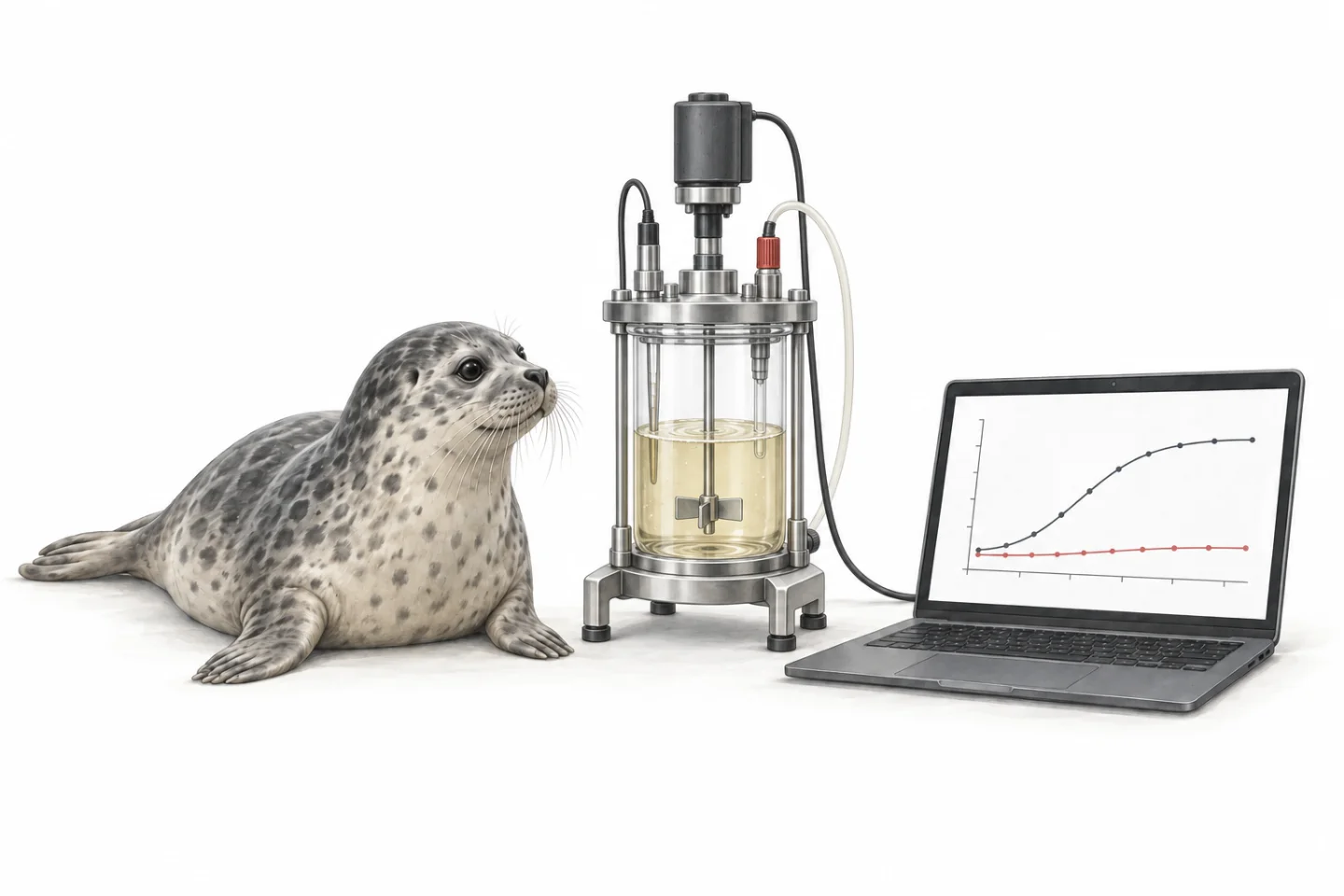
Compare the controller values recorded for these two batches.
Once the scoped connection supplies the tags, I’ll compare them with their timestamps and units, and list any values it doesn’t provide.

Scoped S7 tag data
Batch comparison
- Tag values with timestamps and units
- Differences between the batches
- Missing or unmatched values
1What’s connected.
Bring process data from Siemens S7 controllers into Seal through a scoped integration, for example through an OPC UA server or exported files collected with the Seal IoT app. The released IoT workflow collects files; it does not read controllers directly. Confirm the controller, network route and tags with your automation team.
Connection setup and permissions
Connect through Seal’s IoT app or a scoped integration. The equipment model, software version and available interfaces determine the connection method.
Related blueprints
2Start with the job.
Tell us what Neil needs to do and which records it needs. We’ll confirm the interface, permissions and implementation scope with your team.
3Before it goes live.
Access and any write-back
Define which records are in scope and whose permissions apply. Whether the connection writes back at all is a separate decision, with its own mapping and approval.
Data and failure handling
Agree the field mapping, identifiers, units and source of record. Test missing or duplicate data, interrupted transfers and recovery before relying on the connection.
Verification and release
Review the configured connection for its intended use. Keep the requirements, checks and evidence with the change, and approve the release through your team’s controls.