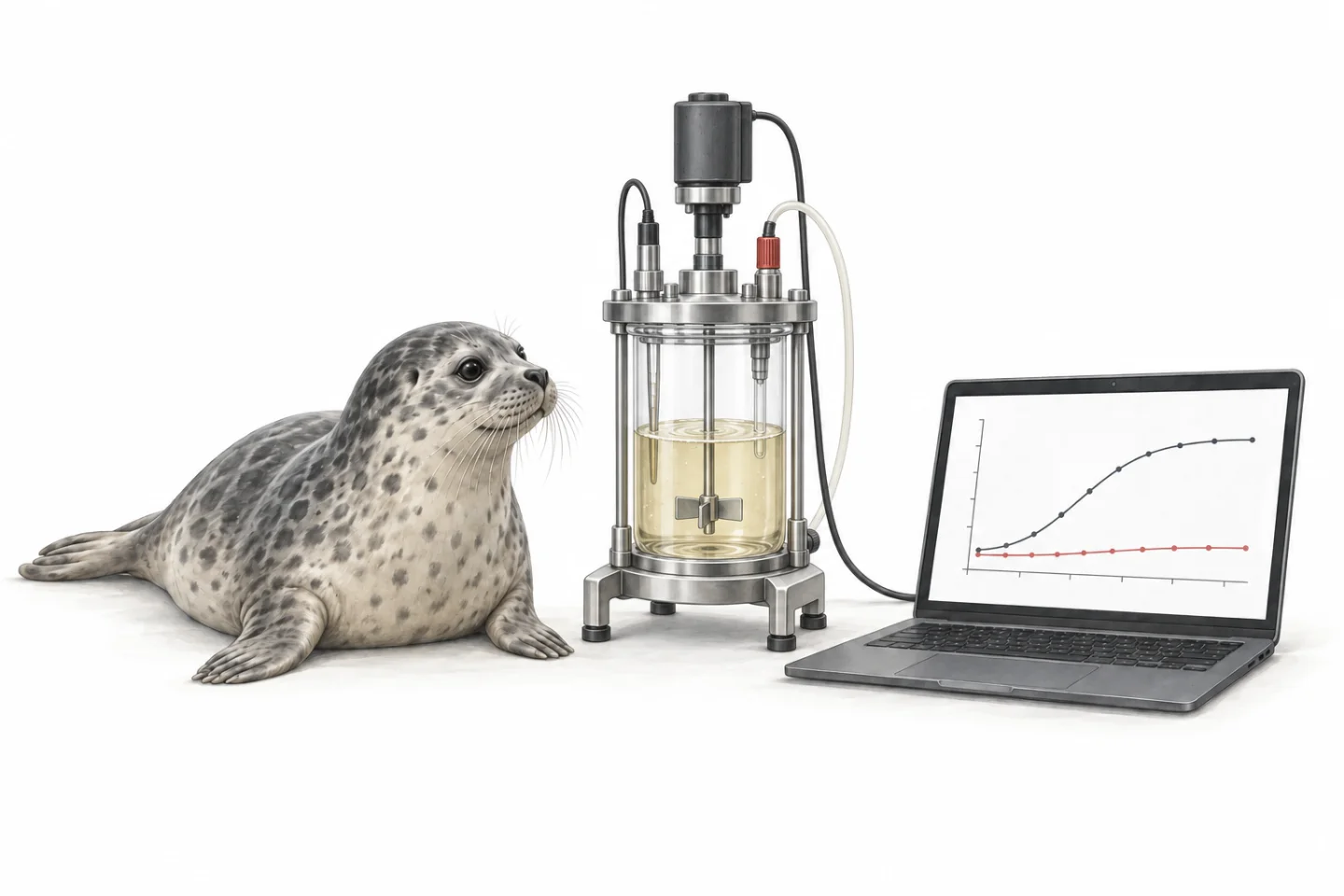
Investigate a process trend. Use the permitted Databricks records and show me the supporting evidence.
Once the API connection is configured, I’ll query an agreed dataset and produce charts with the query and source context retained.

Authorised SQL results, jobs and workspace resources exposed by Databricks APIs.
Investigate a process trend
- Findings linked to source records
- Missing evidence and unresolved questions
- Follow-up work for your team
1What’s connected.
Query prepared data and bring reproducible analysis into an investigation report. Scope an API integration so Neil can use the permitted records to prepare analysis, reports and follow-up work.
Connection setup and permissions
Use Databricks workspace APIs and an approved SQL endpoint. Scope credentials, catalogs and compute access; preserve query parameters and retrieval context.
We scope this connection against the provider’s documented interface for your environment. Start with read access; any source-system changes need separately configured actions and controls.
2Start with the job.
Records in scope: Authorised SQL results, jobs and workspace resources exposed by Databricks APIs. Tell us the job, and we’ll confirm the interface, permissions and implementation scope with your team.
3What Neil can do with Databricks once connected
Once the relevant API access and data mappings are configured:
- Investigate a process trend
- Query an agreed dataset and produce charts with the query and source context retained.
- Compare sites or products
- Analyse consistently defined cohorts and state the limits of the comparison.
- Prepare an analysis report
- Combine approved query results with source documents and unanswered questions.
4Connection questions
Will this work with our Databricks environment?
We check your product edition, API availability, authentication and permitted records against the job you want Neil to do. The linked provider documentation describes the interface; Seal does not yet have a guided connector for it.
5Before it goes live.
Access and any write-back
Define which records are in scope and whose permissions apply. Whether the connection writes back at all is a separate decision, with its own mapping and approval.
Data and failure handling
Agree the field mapping, identifiers, units and source of record. Test missing or duplicate data, interrupted transfers and recovery before relying on the connection.
Verification and release
Review the configured connection for its intended use. Keep the requirements, checks and evidence with the change, and approve the release through your team’s controls.